YouthAI Pulse: Tracking AI Tools, Trends & Updates for Youth Work
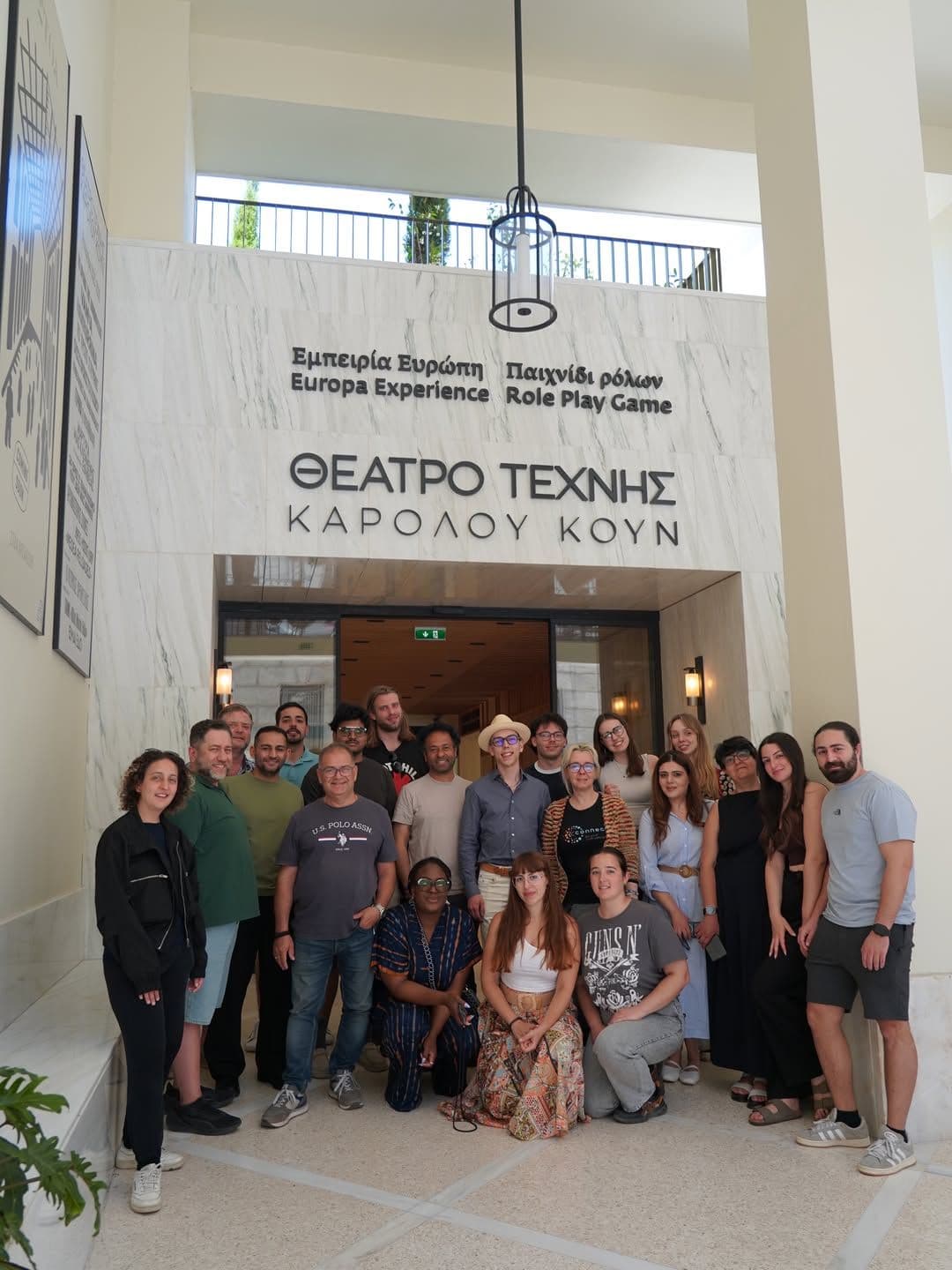
YouthAI Pulse (YAP) was an Erasmus+ training course organised by Formation et Sensibilisation Luxembourg (FSL) in cooperation with the Greek youth organisation DreamTeam, from 24 to 30 May 2026 in Athens, Greece. The project focused on strengthening the digital competences of youth workers, educators and youth leaders, helping them understand the growing influence of artificial intelligence on young people's lives and explore how emerging technologies can be used responsibly in non-formal education. Combining AI literacy, ethical reflection, hands-on experimentation and educational activity design, YouthAI Pulse encouraged participants to develop a more critical, informed and practical approach to AI in youth work.
Standort
Athens, Greece
Dauer
24 – 30 May 2026
Finanzierungsprogramm
Erasmus+ Youth, co-funded by the European Union through Anefore
Schwerpunktbereiche
Artificial intelligence, digital literacy, AI ethics, non-formal education, educational innovation, youth participation and impact measurement
Teilnehmer
Youth workers, educators and youth leaders
Partner
DreamTeam (GR)
Wichtige Aktivitäten & Lernen
Learning Through Practical Experimentation
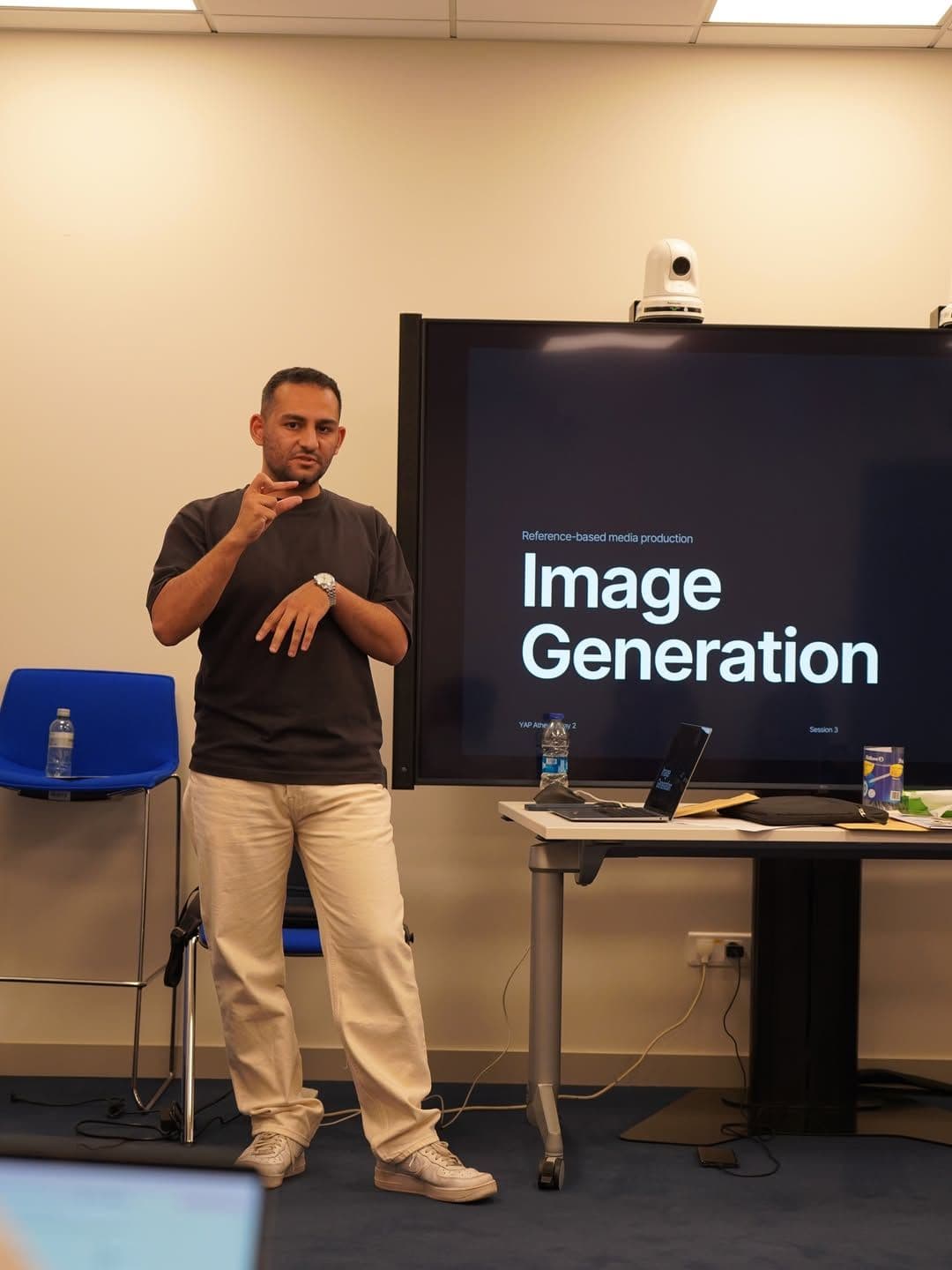
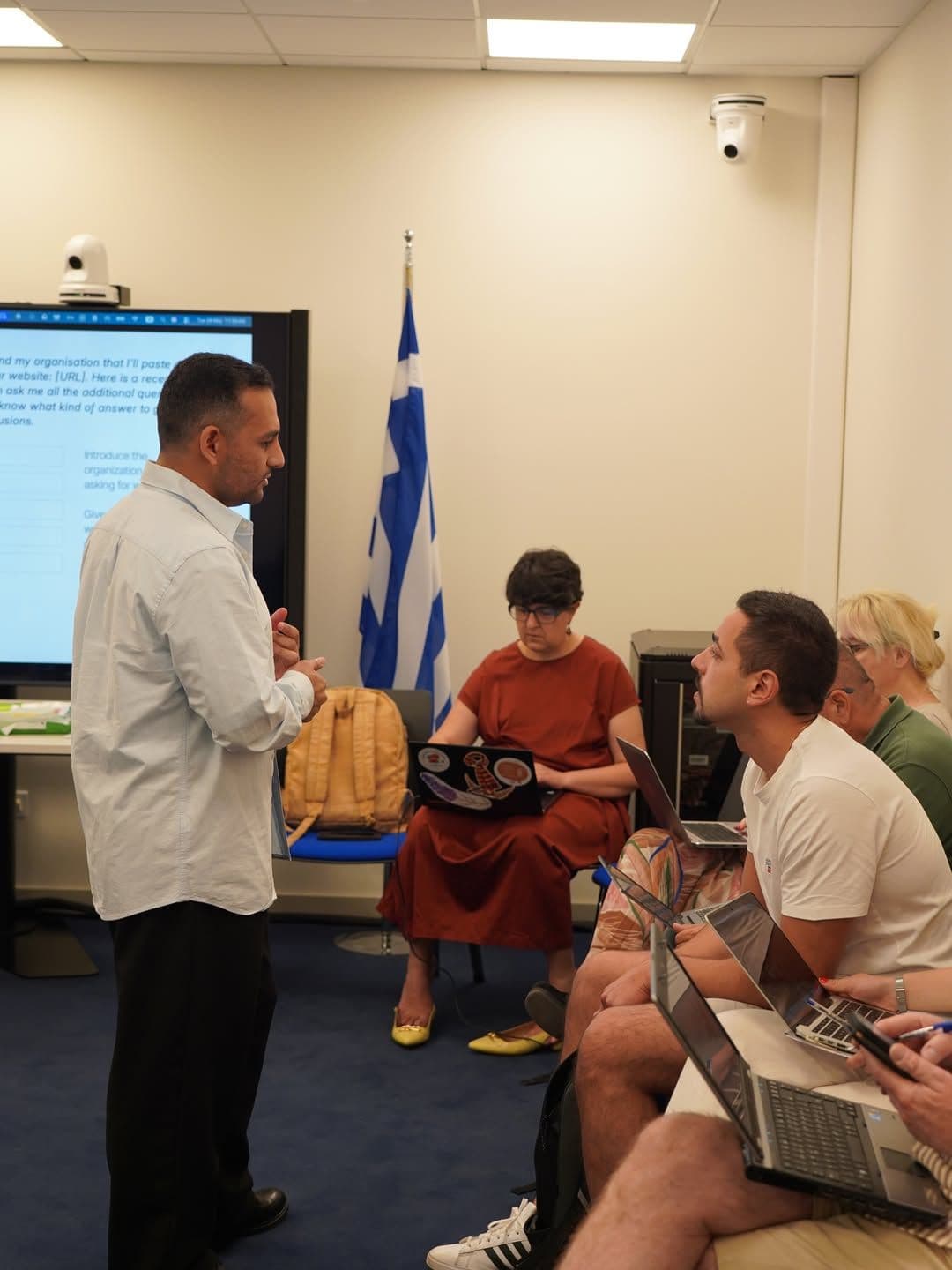
The training programme combined interactive learning sessions with hands-on activities, allowing participants to experiment with AI tools and explore their potential applications in everyday professional practice. Sessions covered how AI actually thinks and behaves, setting up an AI workspace, AI-assisted research, an introduction to AI agents, and AI image generation and media production.
Activity Design in the Age of AI
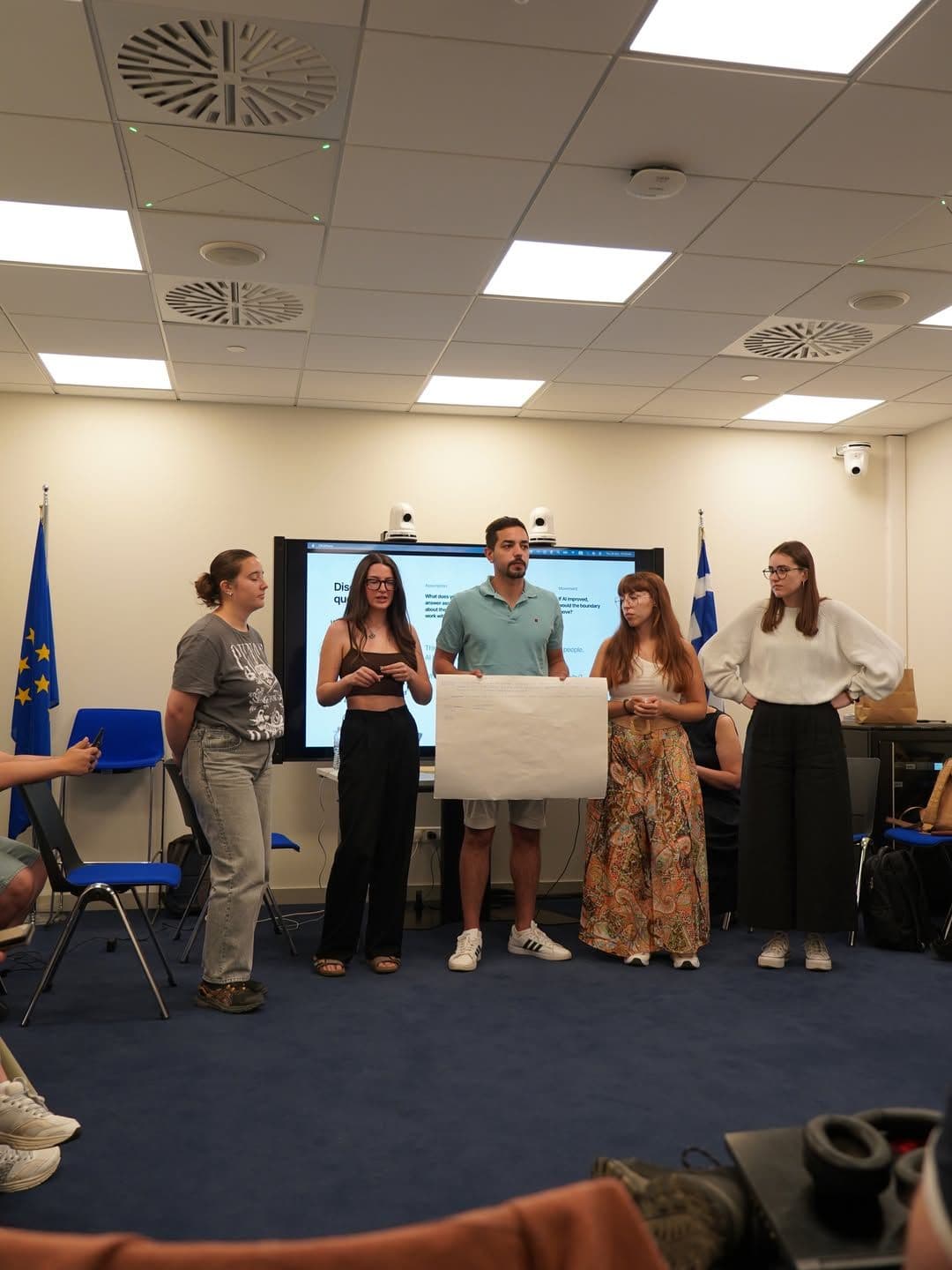
Participants developed learning activities that integrate AI responsibly while strengthening young people's digital literacy and critical thinking. They explored how AI could support youth workers in designing workshops, developing educational materials, facilitating creative activities and adapting learning approaches to different groups.
Open Clinic and Personal Toolkits
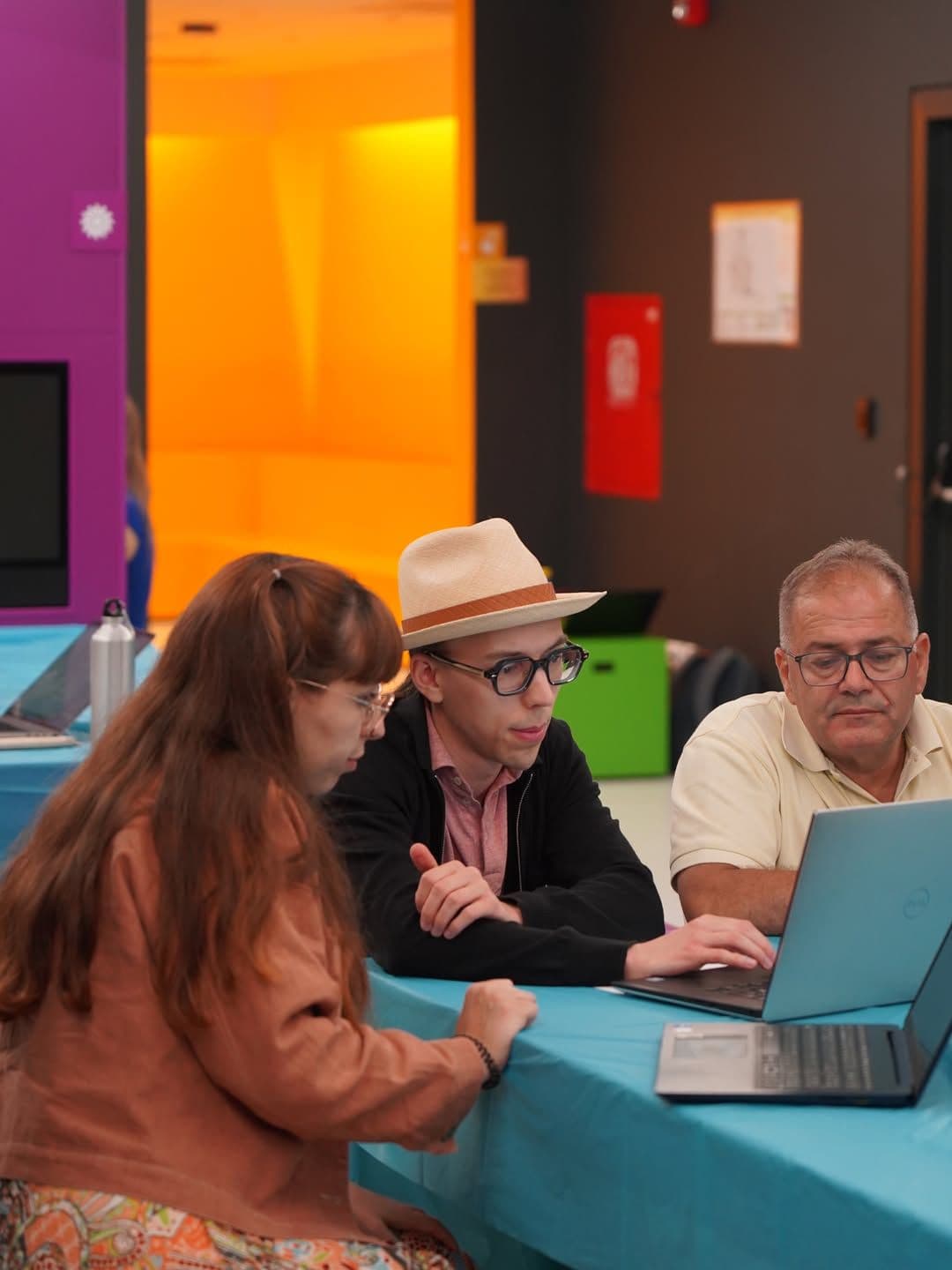
The programme also included an open clinic, participant-selected topics and dedicated time for developing personal toolkits, enabling participants to focus on technologies and methods most relevant to their professional needs. This practical approach encouraged experimentation, peer learning and reflection on how AI tools could be adapted to different educational environments.
Measuring Impact and Making Learning Visible
The training framework introduced accessible digital tools and methods for defining learning indicators, collecting participant feedback, analysing results and communicating outcomes. Approaches included short surveys, reflection methods, participatory evaluation and evidence-based storytelling.
Ergebnisse & Wirkung
A Human-Centred Approach to AI
The training promoted a human-centred and rights-based approach, emphasising that artificial intelligence should support educational processes rather than replace critical thinking, human relationships or the role of educators.

Ethics, Digital Rights and Responsible AI
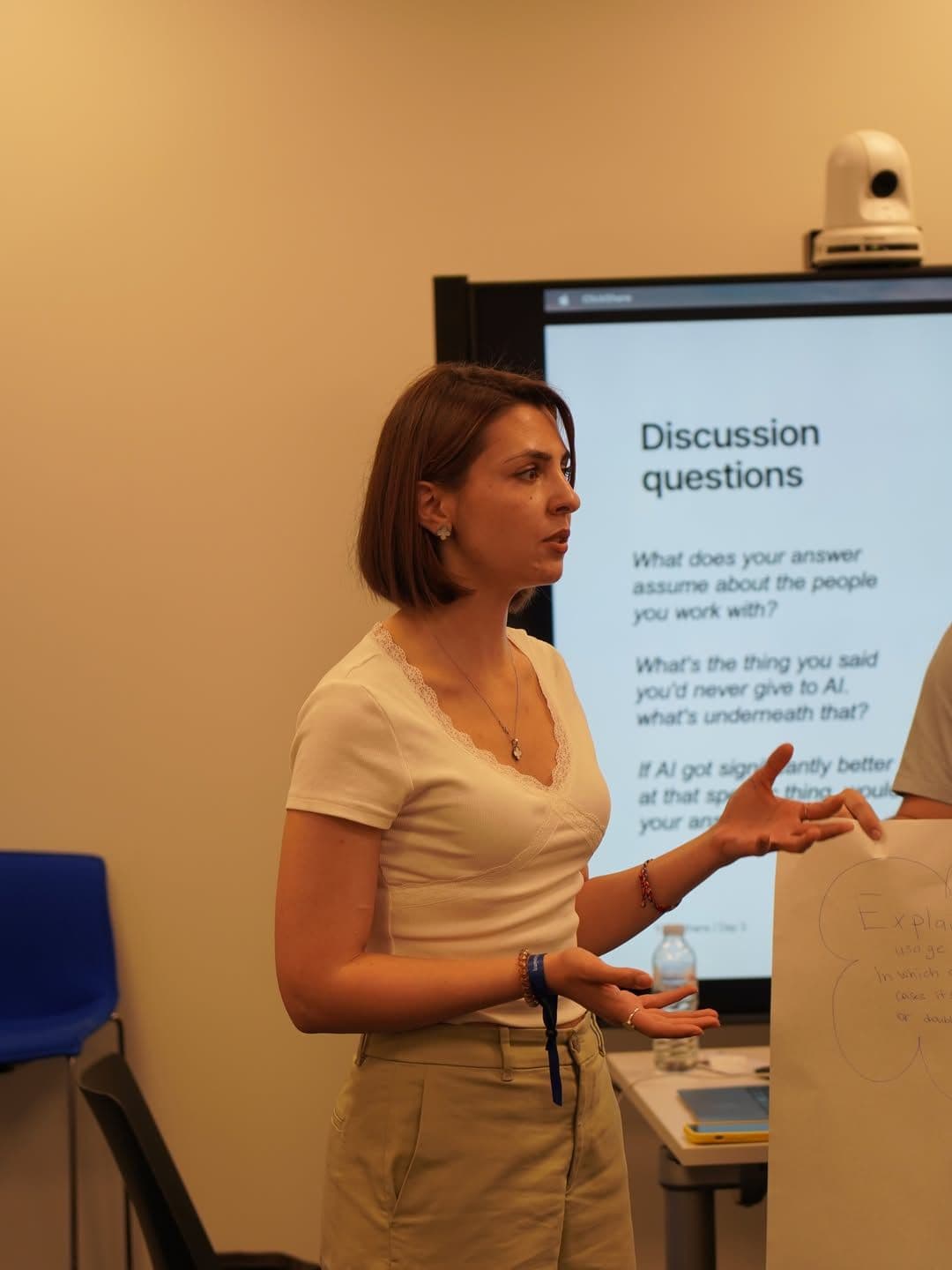
Participants were encouraged to consider not only what AI tools can do, but also when and how they should be used, what their limitations are, and who might be affected by their outputs.
Keeping Pace with Technological Change
YouthAI Pulse proposed the creation of a lightweight “AI Pulse” follow-up system through which participants and partner organisations could continue monitoring relevant AI tools, emerging trends and developments affecting youth work.
Preparing Youth Work for an AI-Shaped Future
The project highlighted that artificial intelligence offers significant possibilities for youth organisations, but its value depends on the knowledge, ethical awareness and critical judgement of the people using it.
By connecting technological experimentation with human rights, digital literacy, educational quality and impact assessment, YouthAI Pulse encouraged youth workers to approach AI not as a replacement for human creativity and professional experience, but as a tool that can support more effective and accessible learning.
Preparing young people for an AI-shaped future begins with preparing educators to understand, question and use technology responsibly.

