Online Youth, Offline Impact (OYOI): Building International Partnerships for Digital and Hybrid Youth Work
Online Youth, Offline Impact (OYOI) was an Erasmus+ contact-making event organised by FSL from 5 to 9 April 2026 in Cairo, Egypt, with the support of the European Union through the Luxembourg National Agency Anefore. The project brought together representatives of youth organisations, educational institutions and civil society from Erasmus+ Programme Countries, Eastern Europe and Central Asia (EECA), and the Middle East and North Africa (MENA) to explore how digital and hybrid non-formal education can become more inclusive, effective and connected to real-life youth participation. Rather than focusing only on digital tools, OYOI aimed to strengthen international cooperation and encourage organisations to turn online learning experiences into practical actions benefiting young people and their communities.
Standort
Cairo, Egypt
Dauer
5 – 9 April 2026
Finanzierungsprogramm
Erasmus+ Youth, co-funded by the European Union through Anefore
Schwerpunktbereiche
Digital youth work, hybrid non-formal education, virtual exchanges, intercultural learning, youth participation and international cooperation
Teilnehmer
Youth organisations, educational institutions and civil society from Erasmus+ Programme Countries, EECA and MENA
Venue
Arab International Scout Centre
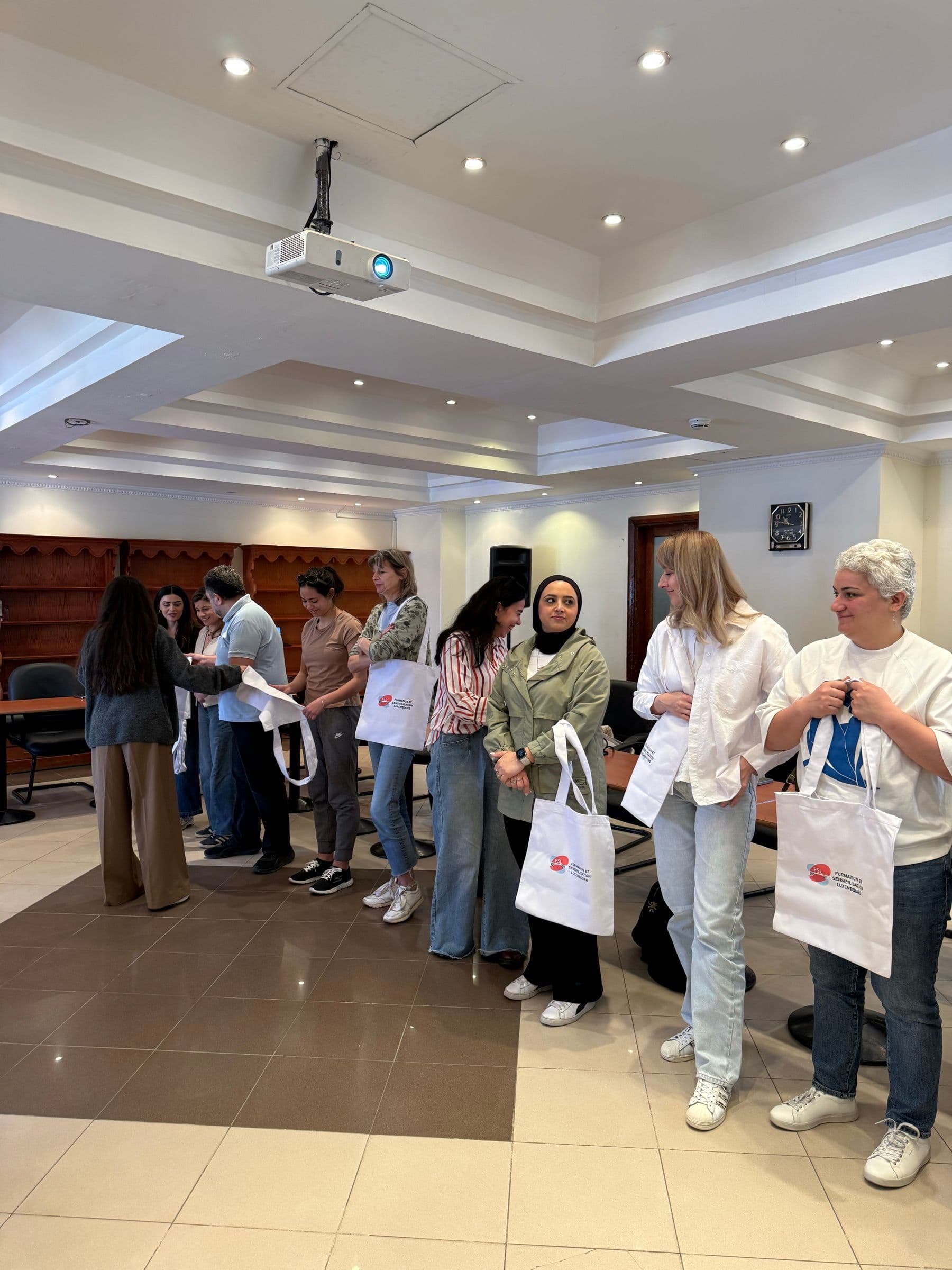
Wichtige Aktivitäten & Lernen
From Networking to Cooperation
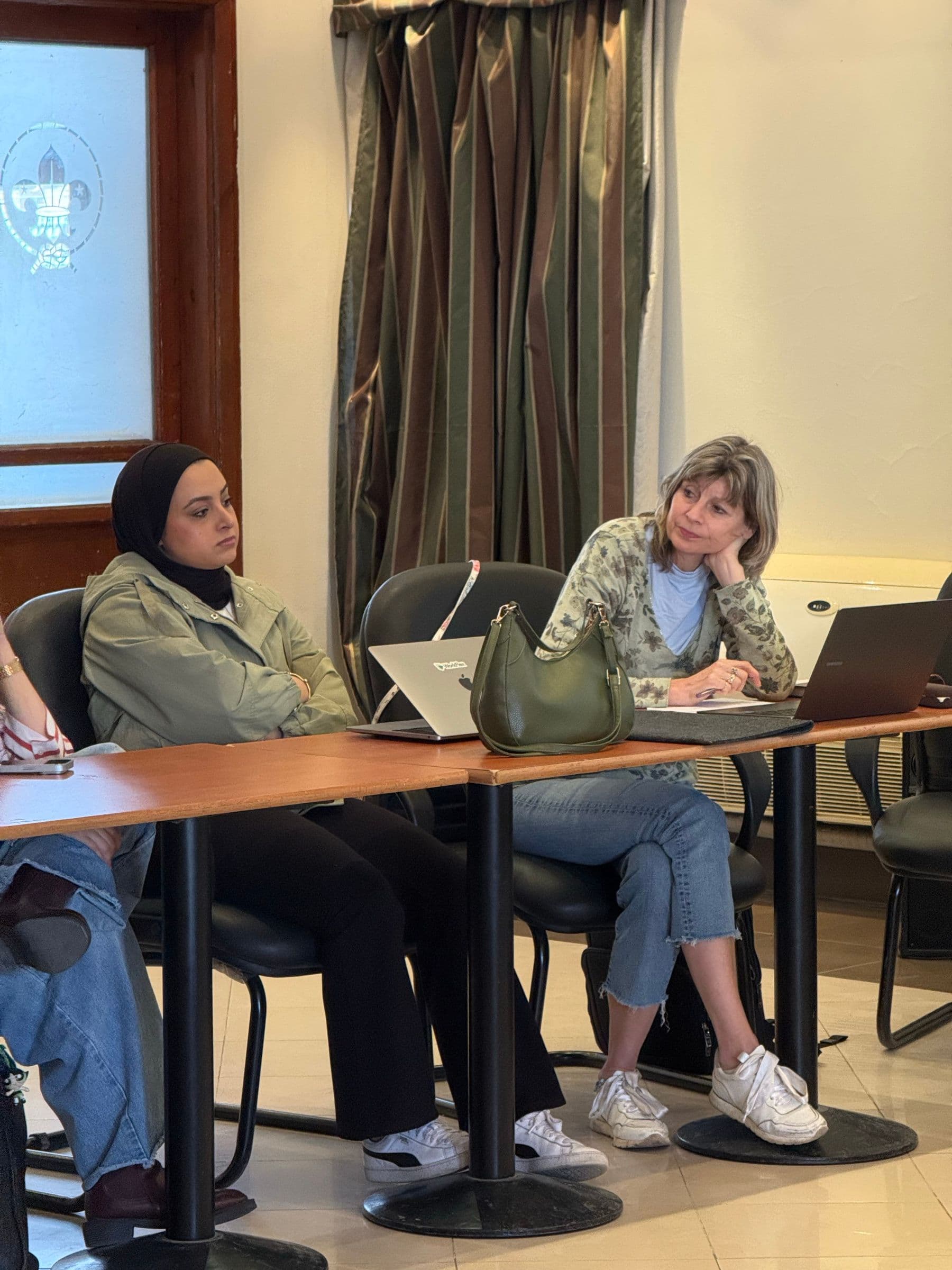
The contact-making event was designed as a practical and collaborative learning experience, encouraging participants to move beyond exchanging contacts towards developing shared ideas and future partnerships. The programme combined interactive networking, peer learning, presentations and collaborative project development.
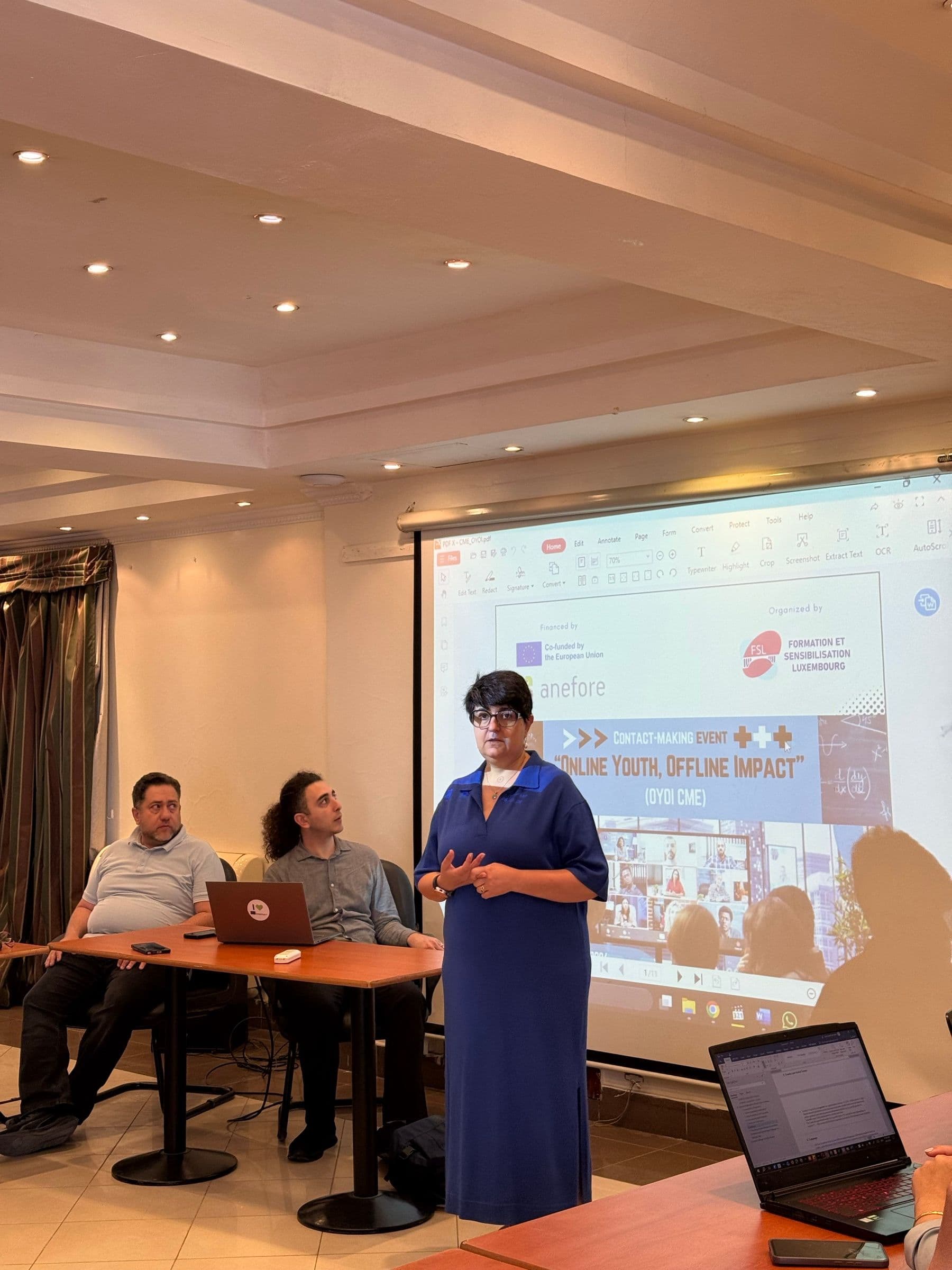
Exploring Online and Hybrid Youth Work
Participants explored different approaches to online and hybrid youth work, including Erasmus+ Virtual Exchanges, digital educational tools and methods for engaging young people across geographical and cultural boundaries. A particular focus was placed on the practical challenges of delivering quality online education, including maintaining participant motivation, facilitating meaningful intercultural dialogue, ensuring accessibility and creating safe digital learning environments.
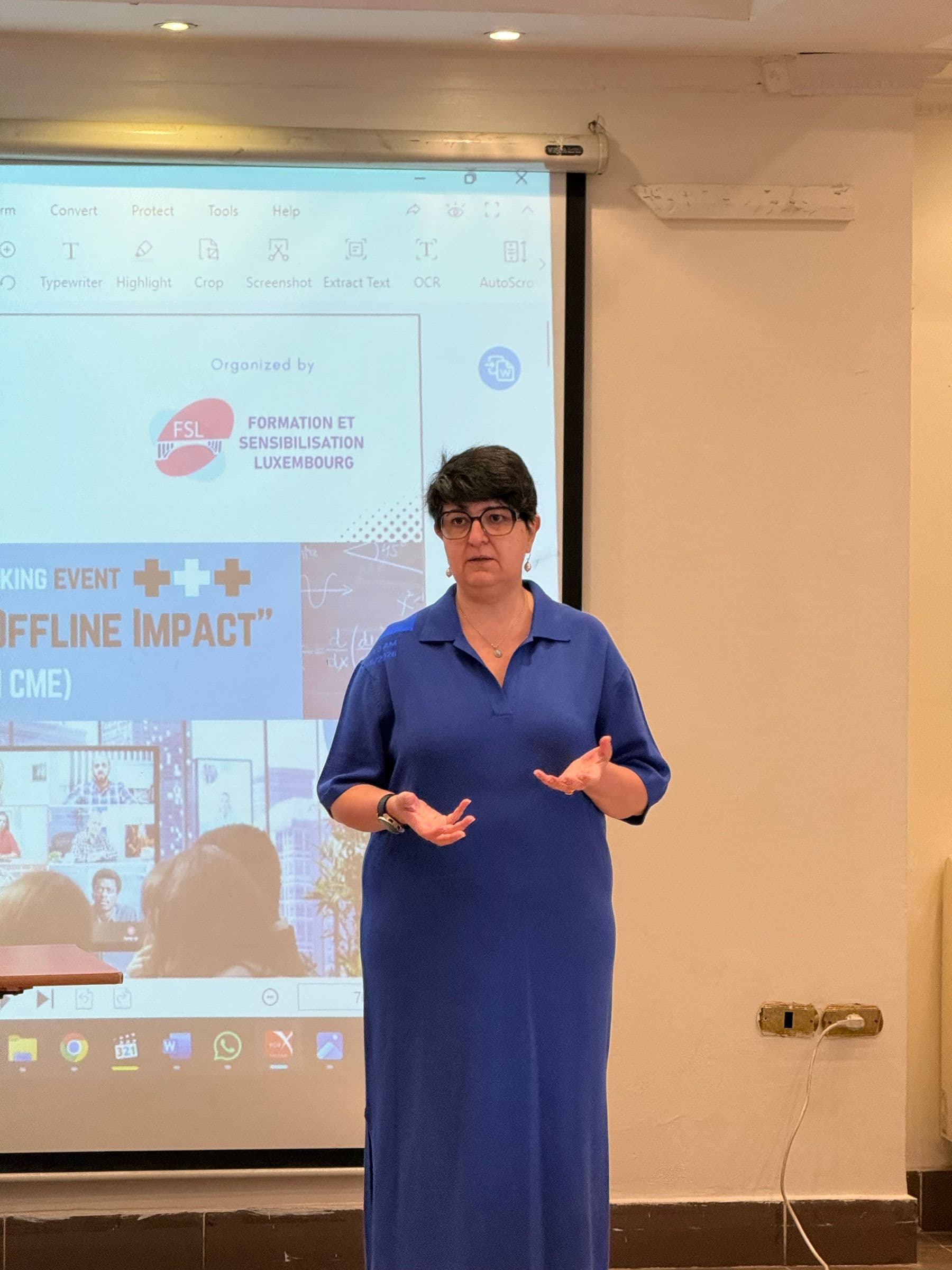
Building Partnerships Across Three Regions
The programme included networking with local NGOs in Cairo, allowing participants to learn more about the local civil society context and exchange experiences with organisations working on youth participation and education. A cultural visit to the Grand Egyptian Museum also provided an opportunity for intercultural learning and informal exchanges beyond the working sessions.
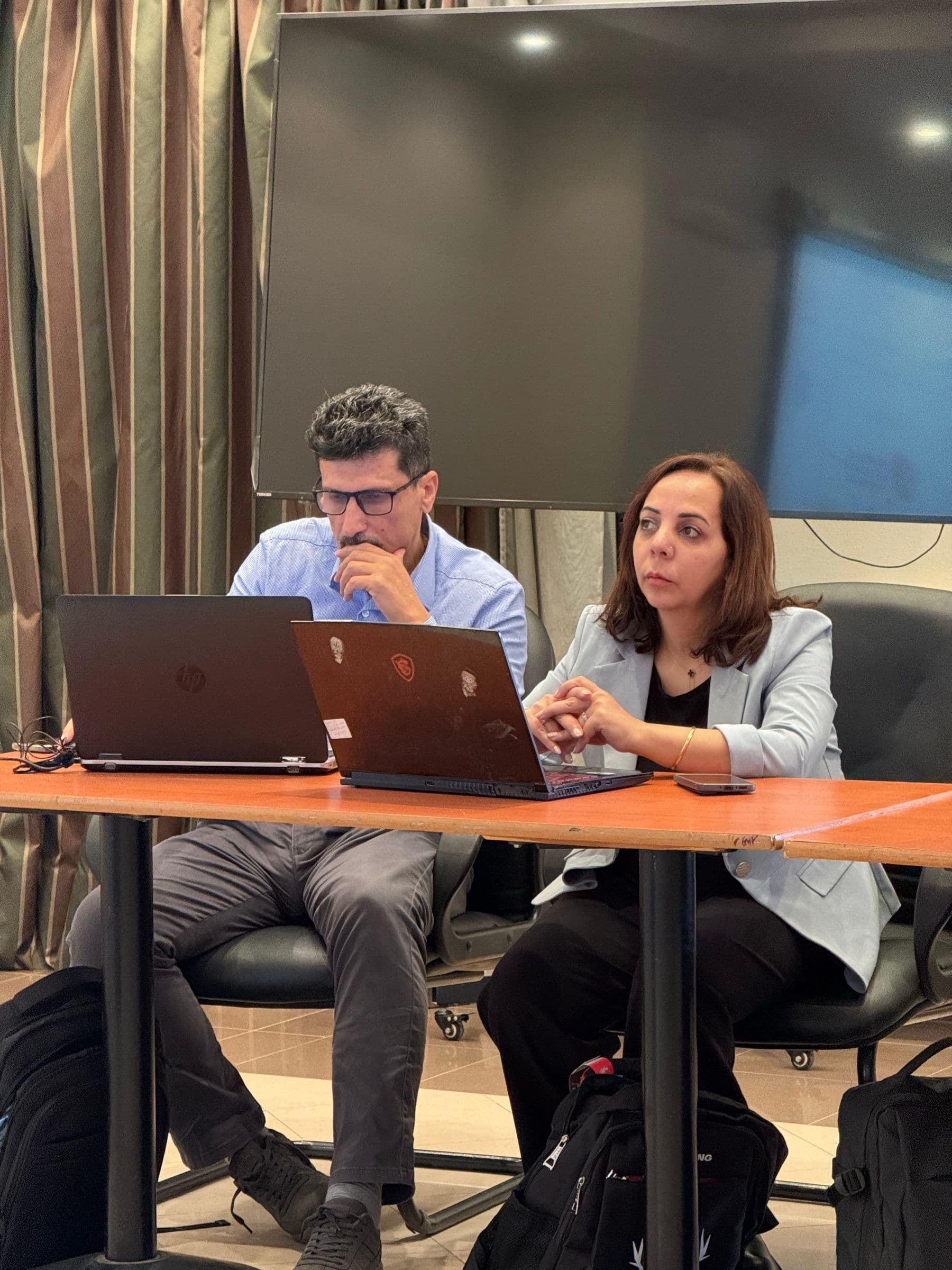
Turning Ideas into Future Projects
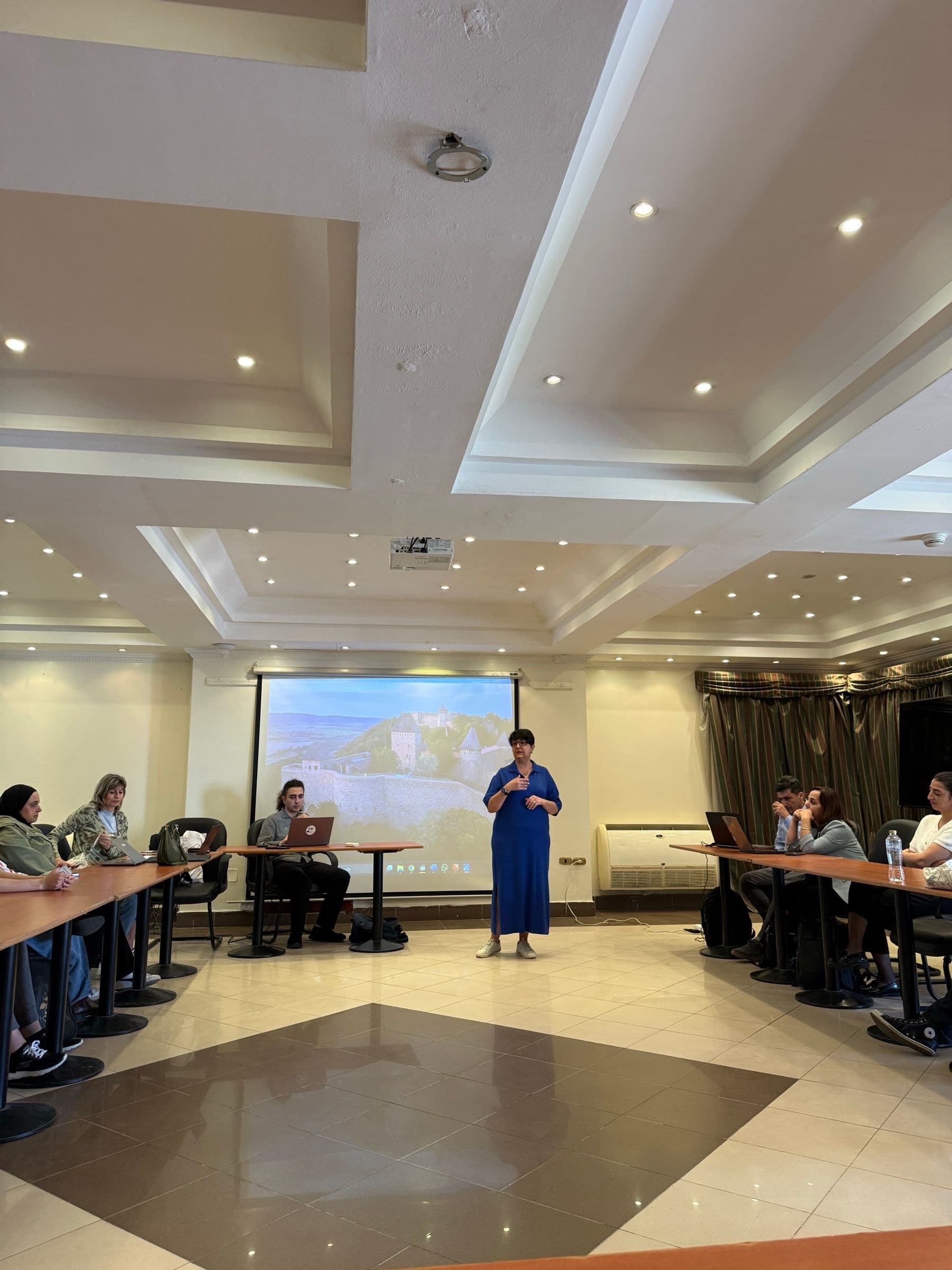
Through collaborative discussions, project-writing sessions and partnership planning, participants explored how their organisations could work together on international educational initiatives, using the connections developed during the event as a foundation for future Erasmus+ projects, virtual exchanges and blended learning activities.
Ergebnisse & Wirkung
Mapping Needs and Good Practices
Mapping needs and good practices in digital and hybrid non-formal education across the participating regions, and developing recommendations for hybrid learning, including educational methods, facilitation approaches and useful digital tools.
Joint Project Concepts
Developing three to five joint project concepts, with proposed activities, responsibilities and next steps.
A Network for Continued Cooperation
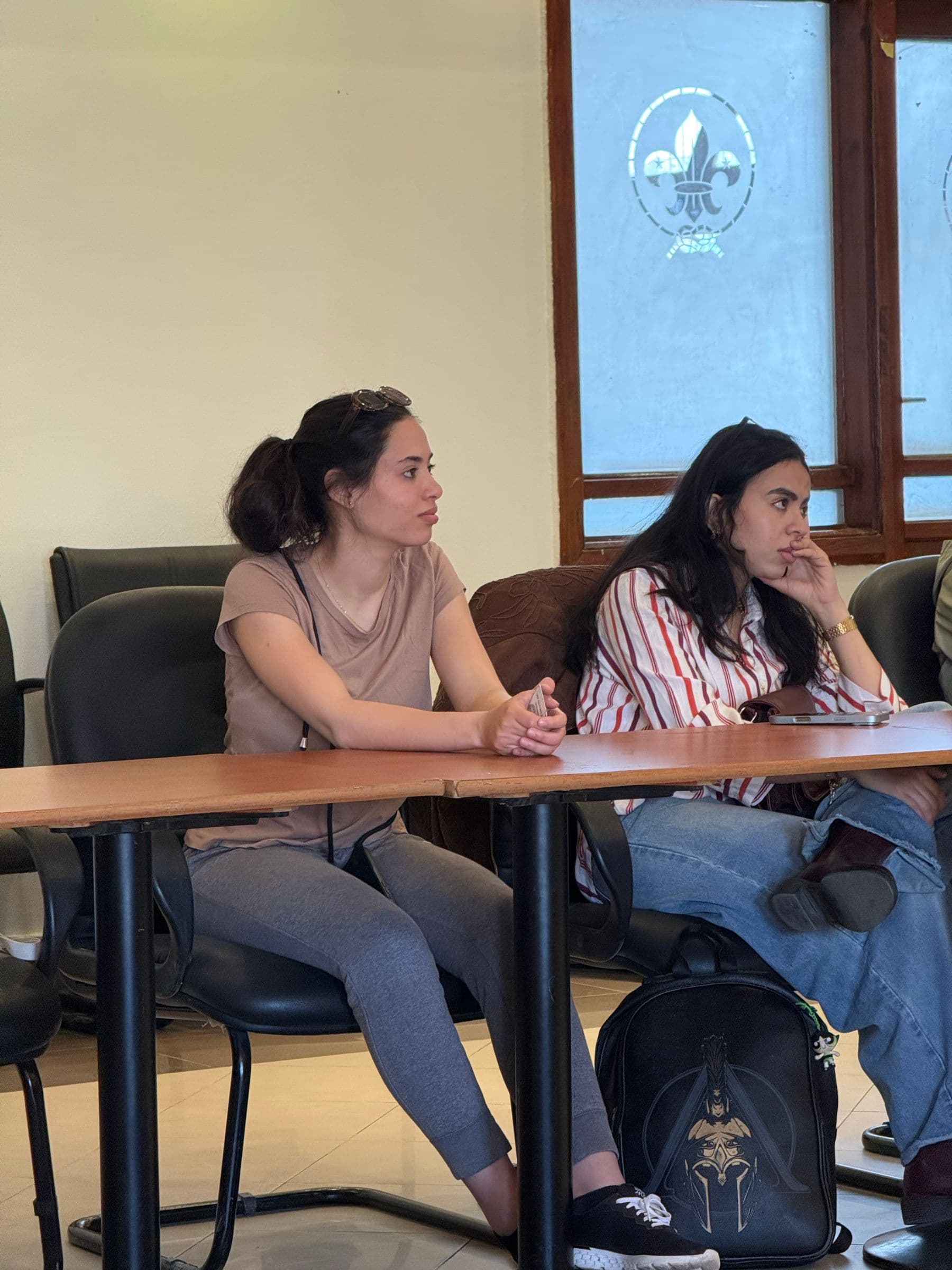
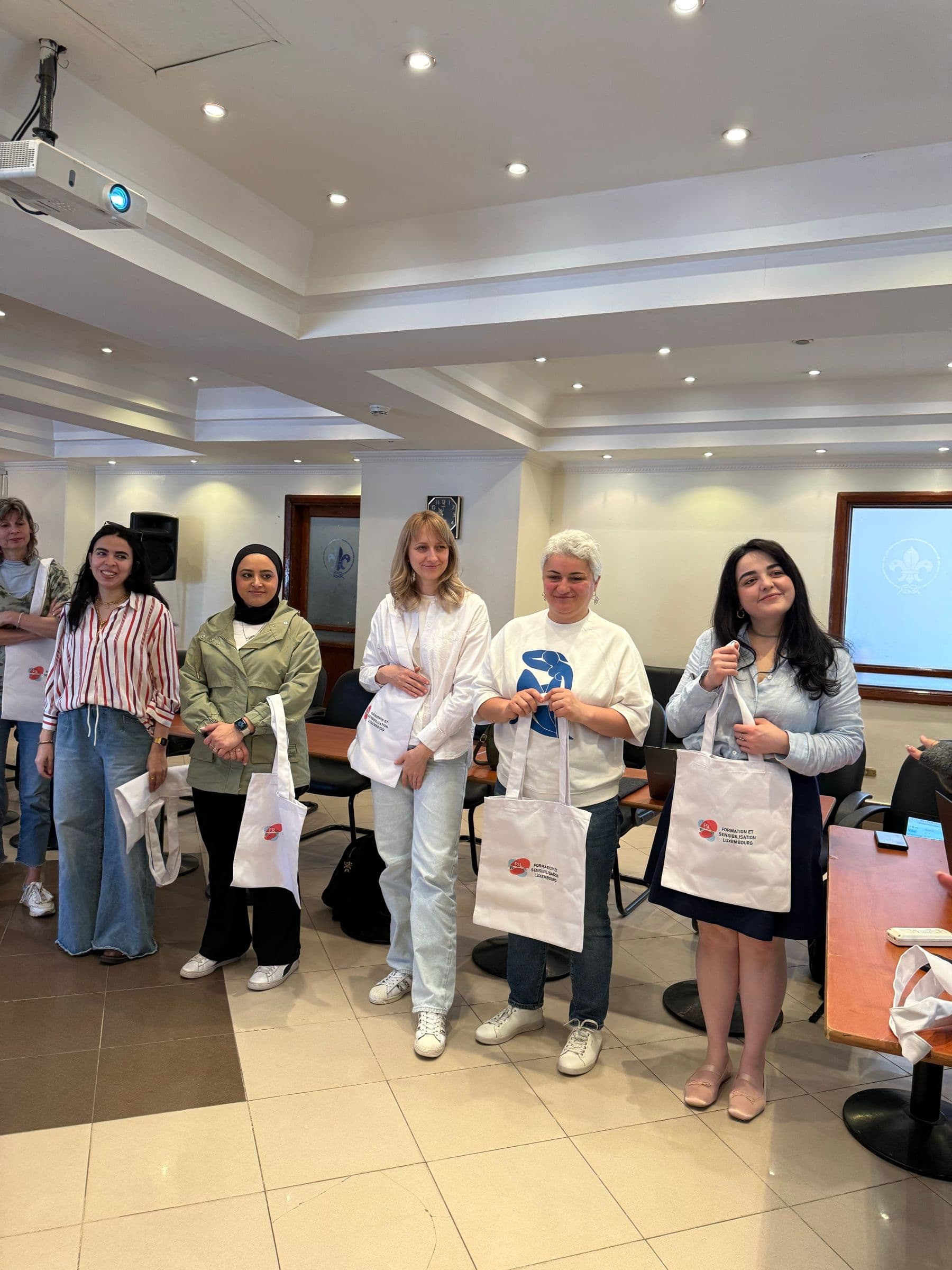
Strengthening an international network of organisations interested in continued cooperation, with a follow-up framework for communication, partnership development and future project applications.
Connecting Online Learning with Real-Life Impact
Digital technologies have transformed how young people communicate, learn and engage with the world. Online exchanges, virtual workshops and hybrid educational activities have created new opportunities for international cooperation, particularly for young people who face geographical, financial or social barriers to mobility.
However, digital participation does not automatically translate into meaningful learning or engagement. Questions of accessibility, inclusion, motivation, safeguarding, data protection and the quality of online interactions remain important challenges for youth organisations.
A central focus was on hybrid non-formal education, combining digital and in-person methods to strengthen youth participation, community engagement, well-being, employability and social inclusion.
The value of online education is not measured only by the number of people connected to a digital platform, but also by the relationships, opportunities and positive changes that emerge beyond the screen.

