Community Development Tools (CDT): Strengthening Mental Well-being Through Community Action
Community Development Tools (CDT) was a long-term Erasmus+ project organised by FSL, with the support of the European Union through the Luxembourg National Agency Anefore. The project brought together youth workers, educators, youth leaders and representatives of civil society organisations to explore the relationship between mental well-being, community development and active citizenship. Through non-formal education, practical activities and international exchange, participants developed competences to strengthen community-based support systems and promote inclusive, value-driven initiatives.
Standort
Esch-sur-Alzette, Luxembourg
Dauer
September – November 2025
Finanzierungsprogramm
Erasmus+ Youth, co-funded by the European Union through Anefore
Schwerpunktbereiche
Mental well-being, community development, active citizenship, social inclusion
Teilnehmer
Youth workers, educators, youth leaders and representatives of civil society organisations
Wichtige Aktivitäten & Lernen
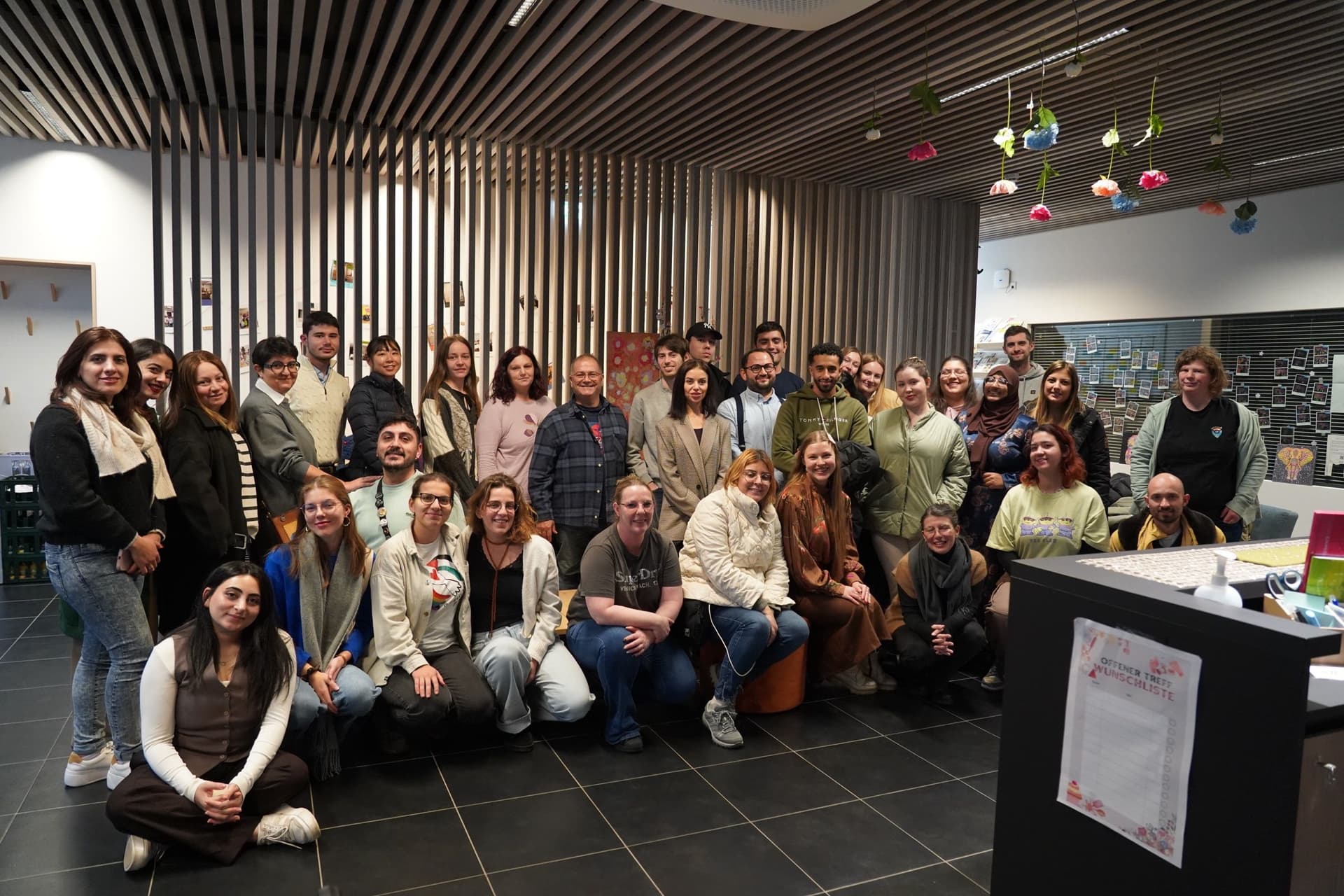
Training Course “CDT: Mental Well-being” | 18–26 September 2025
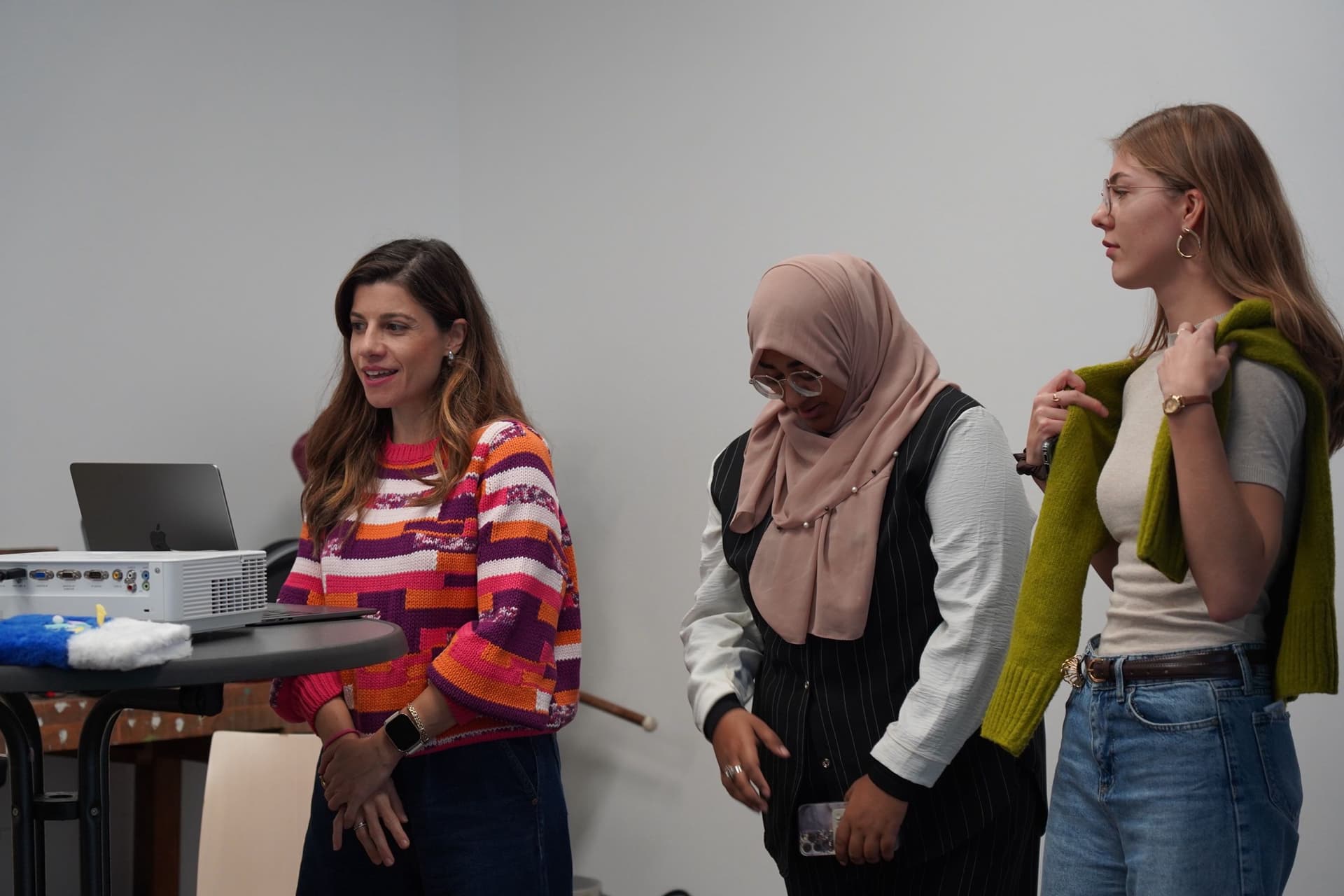
The first activity focused on understanding mental well-being from a community perspective and developing practical tools for youth and community work. Participants explored the relationships between individual well-being, cultural identity, social inclusion and civic participation. Through interactive workshops, group discussions, simulations and collaborative exercises, they worked on communication, empathetic listening, conflict de-escalation and community resilience.
Tools for Identifying Community Challenges
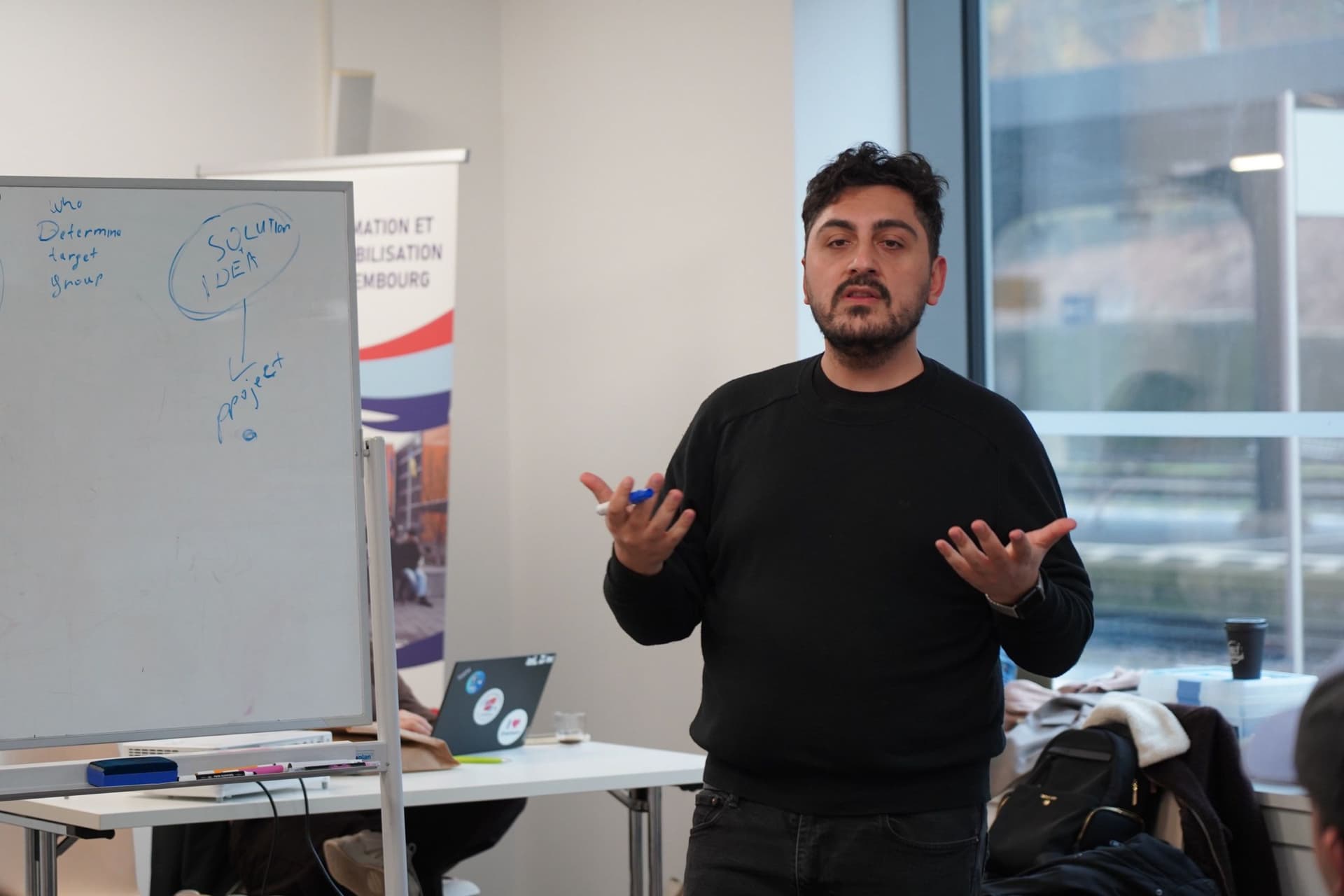
The programme also introduced practical methods for identifying community challenges and developing responses, including Problem Tree Analysis, Solution Tree Analysis, focus groups and participatory approaches. These activities encouraged participants to examine local needs, identify underlying causes and design realistic community-based solutions.
Contact Making Event “CDT: Networking for Mental Well-being” | 26–30 November 2025
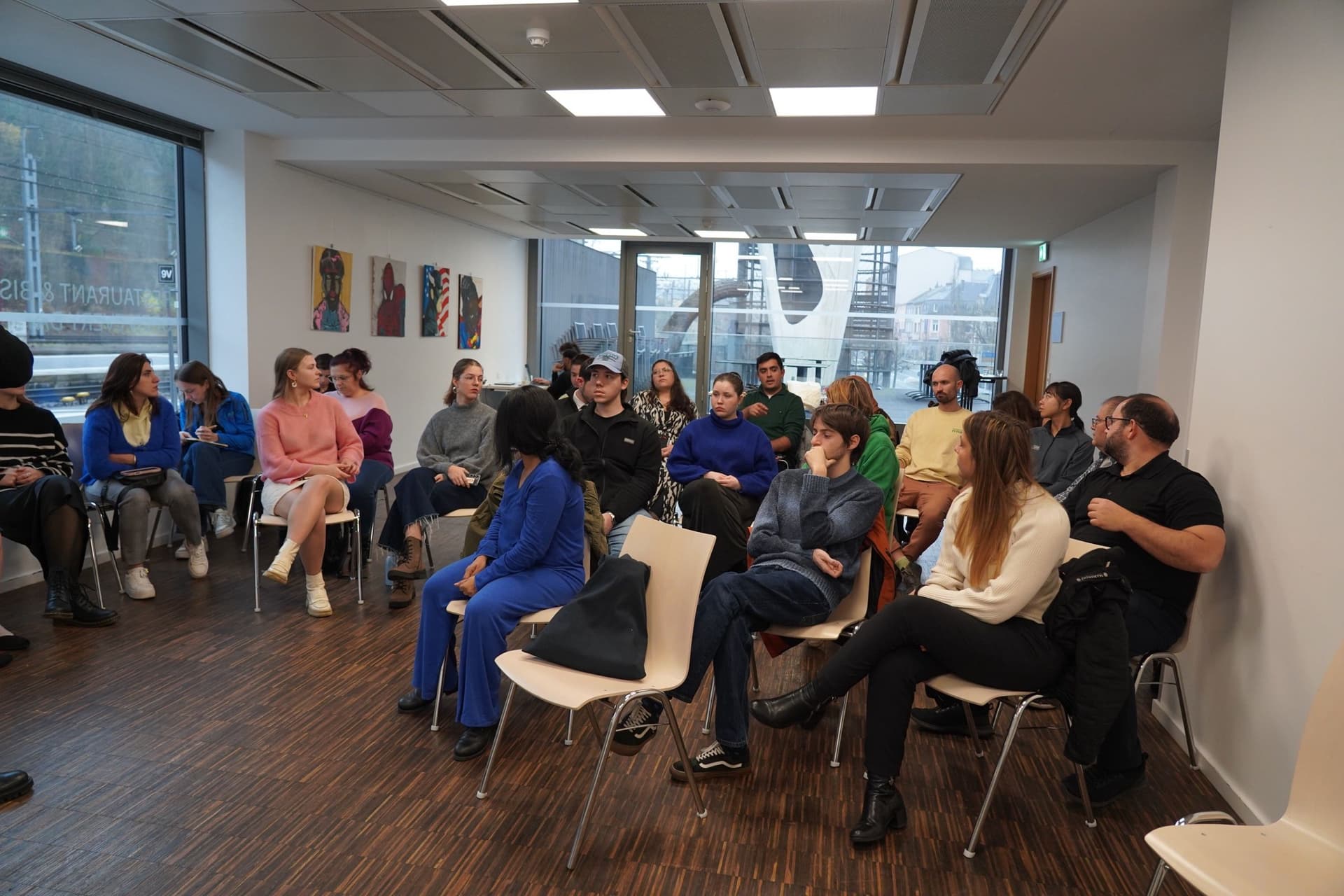
The second activity focused on transforming learning into cooperation and future action. Participants had opportunities to present their organisations, exchange experiences and identify common interests. The programme combined networking sessions with discussions on fundraising opportunities, project idea development, dissemination and collaborative planning.
Developing Future Initiatives
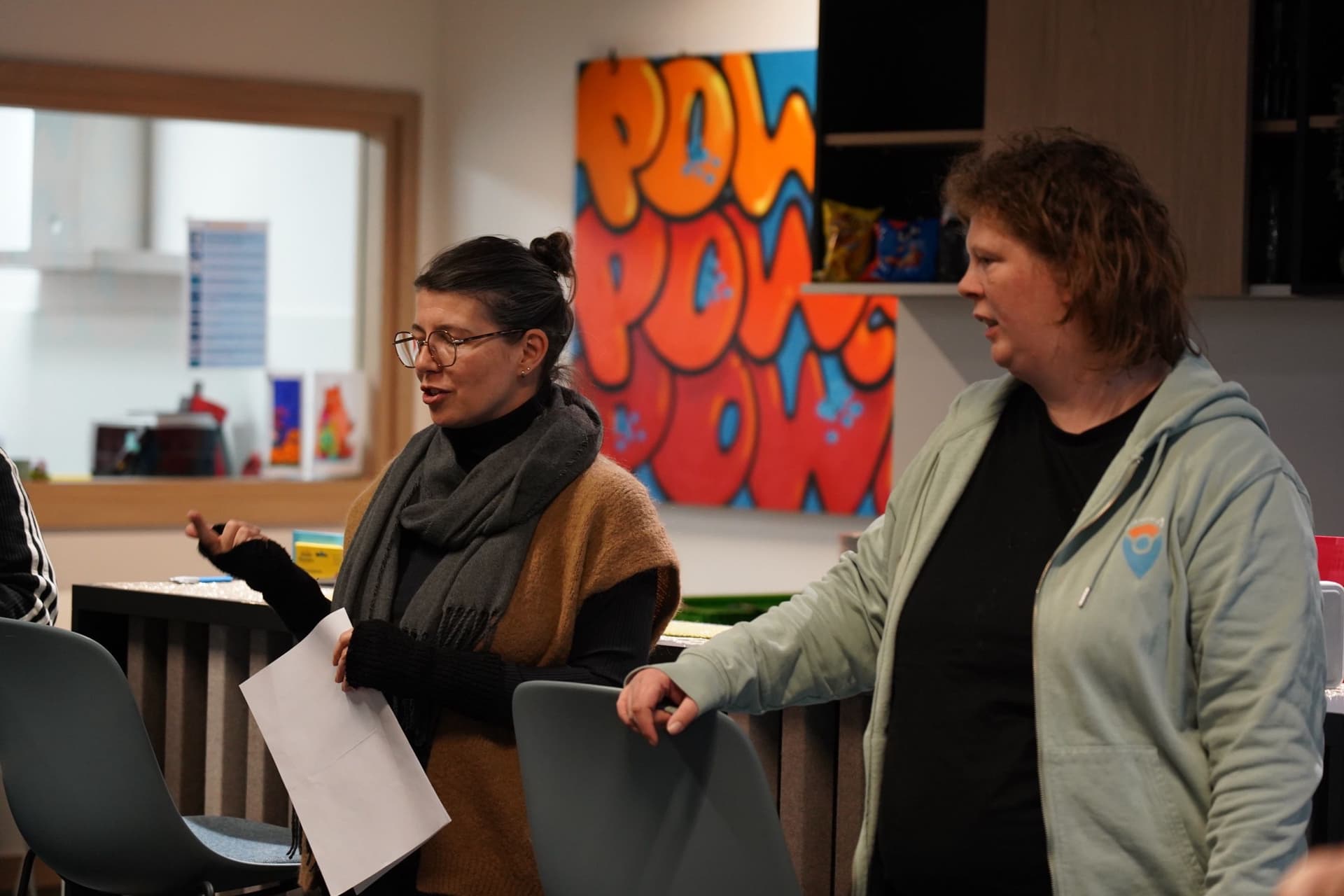
Through activities such as Elevator Pitch, Ideate and Prototype, and project pitching, participants worked on developing ideas for future initiatives addressing mental well-being and community needs. The event created space for building international partnerships and exploring how organisations could continue cooperating beyond the project itself.
Ergebnisse & Wirkung
Looking Beyond Individual Coping
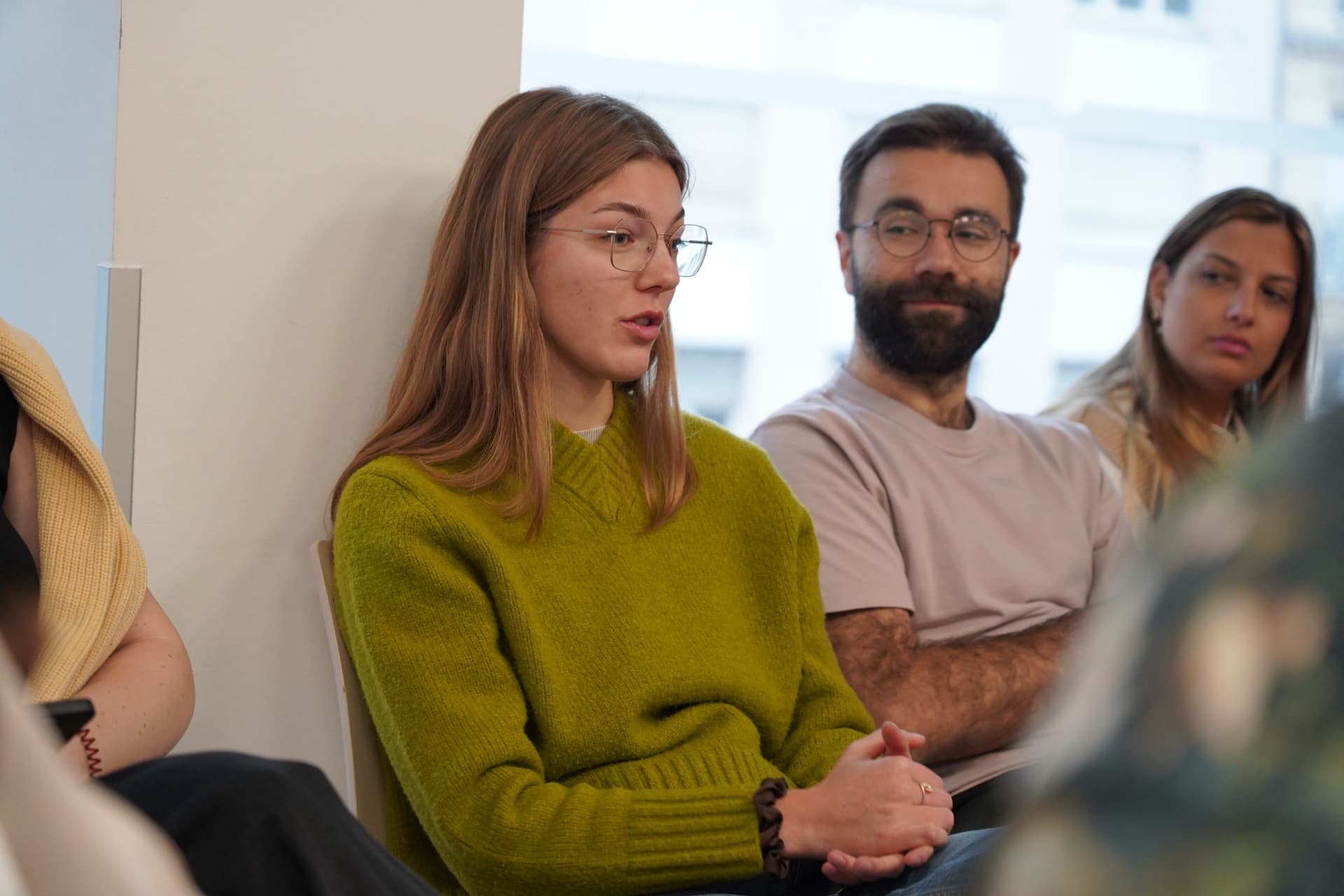
CDT encouraged participants to look beyond individual coping strategies and explore how community structures, educational initiatives and collective action can contribute to healthier and more inclusive societies.
From Learning to Action
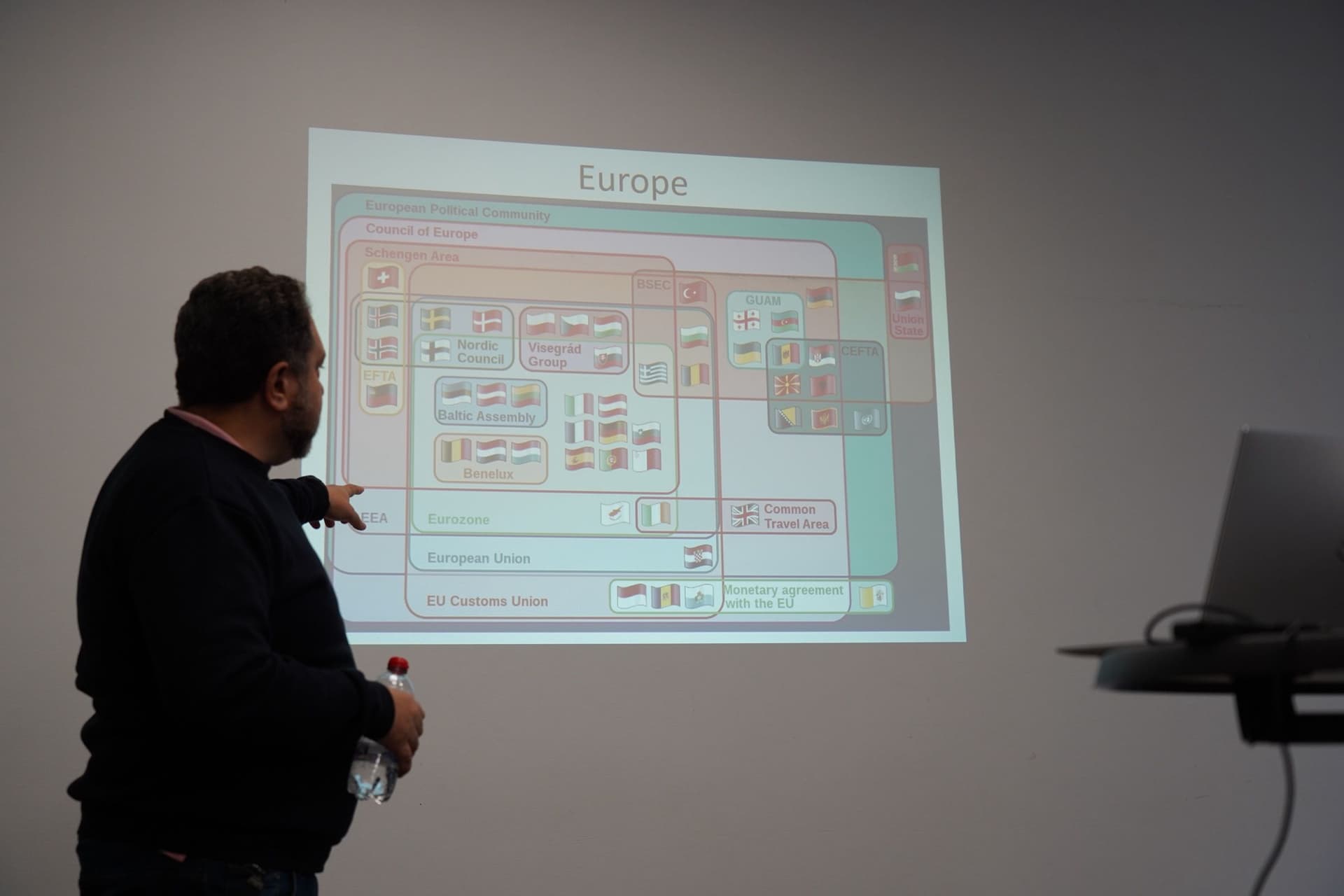
Beyond acquiring new knowledge, participants were encouraged to reflect on how the methods explored during the project could be adapted to their organisations and local communities.
Stronger Cooperation Between Organisations
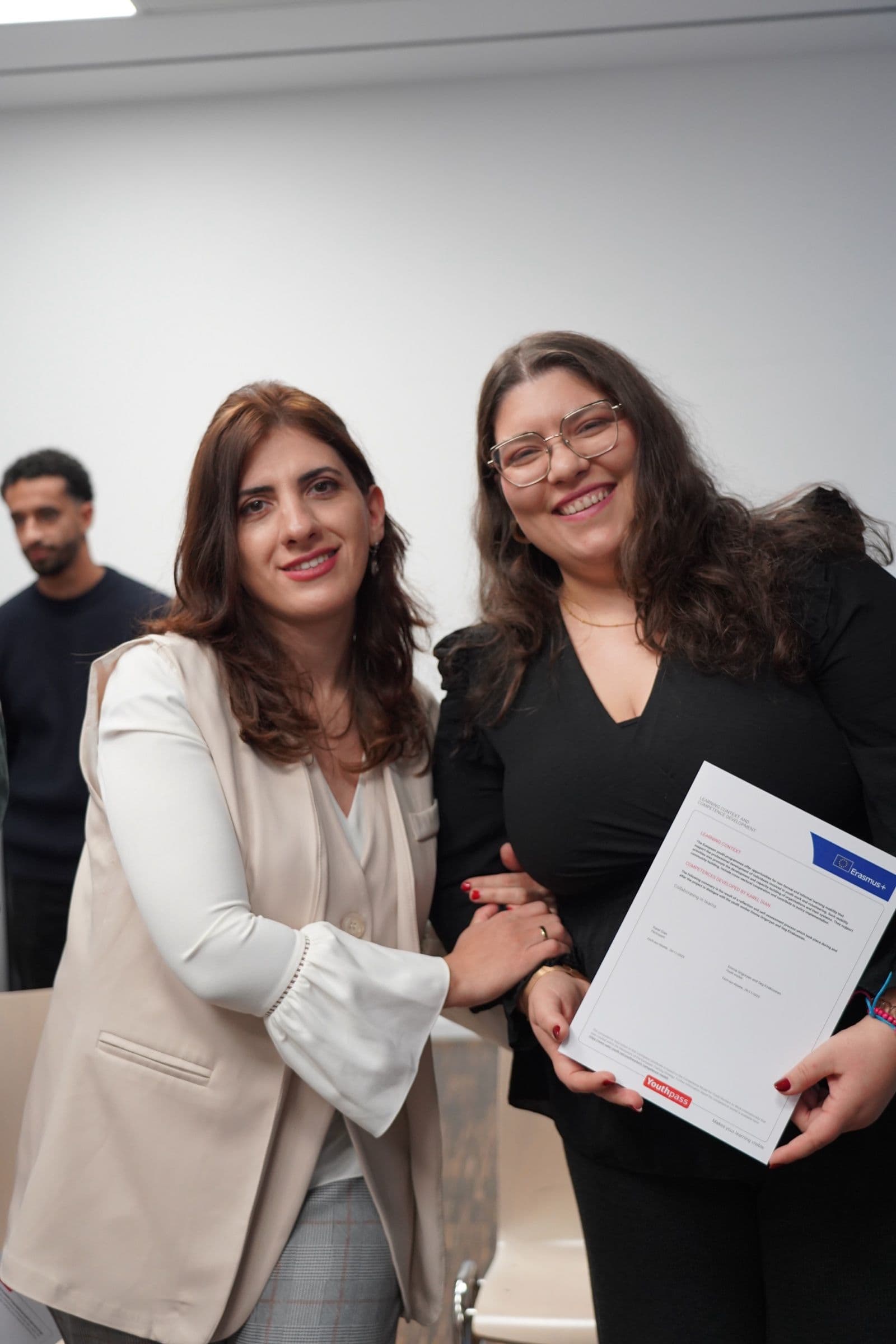
The combination of training, networking and practical project development aimed to support the creation of new educational initiatives, strengthen cooperation between organisations and encourage the exchange of approaches to mental well-being and social inclusion.
Mental Well-being as a Community Responsibility
A central message of CDT was that mental well-being is not only an individual concern. It is also shaped by the environments in which people live, study, work and interact.
Social isolation, unemployment, economic uncertainty, discrimination and limited opportunities for participation can affect young people's sense of belonging and well-being. At the same time, supportive communities, meaningful relationships and opportunities for civic engagement can strengthen resilience and empower people to take an active role in shaping their surroundings.
Particular attention was given to solidarity, equity, sustainability and shared responsibility as principles guiding community development.
Community Development Tools demonstrated an important principle: stronger communities are built not only through services and institutions, but also through people who listen, cooperate, support one another and take responsibility for their shared future.

